Posts

Showing posts with the label Habitat

Biodiversity

Image
The picture to the left shows the mountain stream with native Juniper trees just a few steps above Bees' Cliff (14) -  located in the opposite direction to the image's visual field. Biodiversity In biodiversity, the most common and straightforward misinterpretation is that it refers to a range of ecological benefits derived from a variety of lifeforms within a natural type. However, despite its simplicity, this interpretation can be downright misleading and even seriously incorrect. The reasons for the incorrect understanding of diversity in biodiversity are varied and often complicated. Still, the main one is that each habitat has its own limitations and advantages, which are definitely not suitable for interpreting as a host for foreign biodiversity. In reality, each unique habitat is often susceptible to the endemic species of its own prehistoric past, where the original Nature instead risk enduring biodiversity sensitivities, with direct limitations and vu...
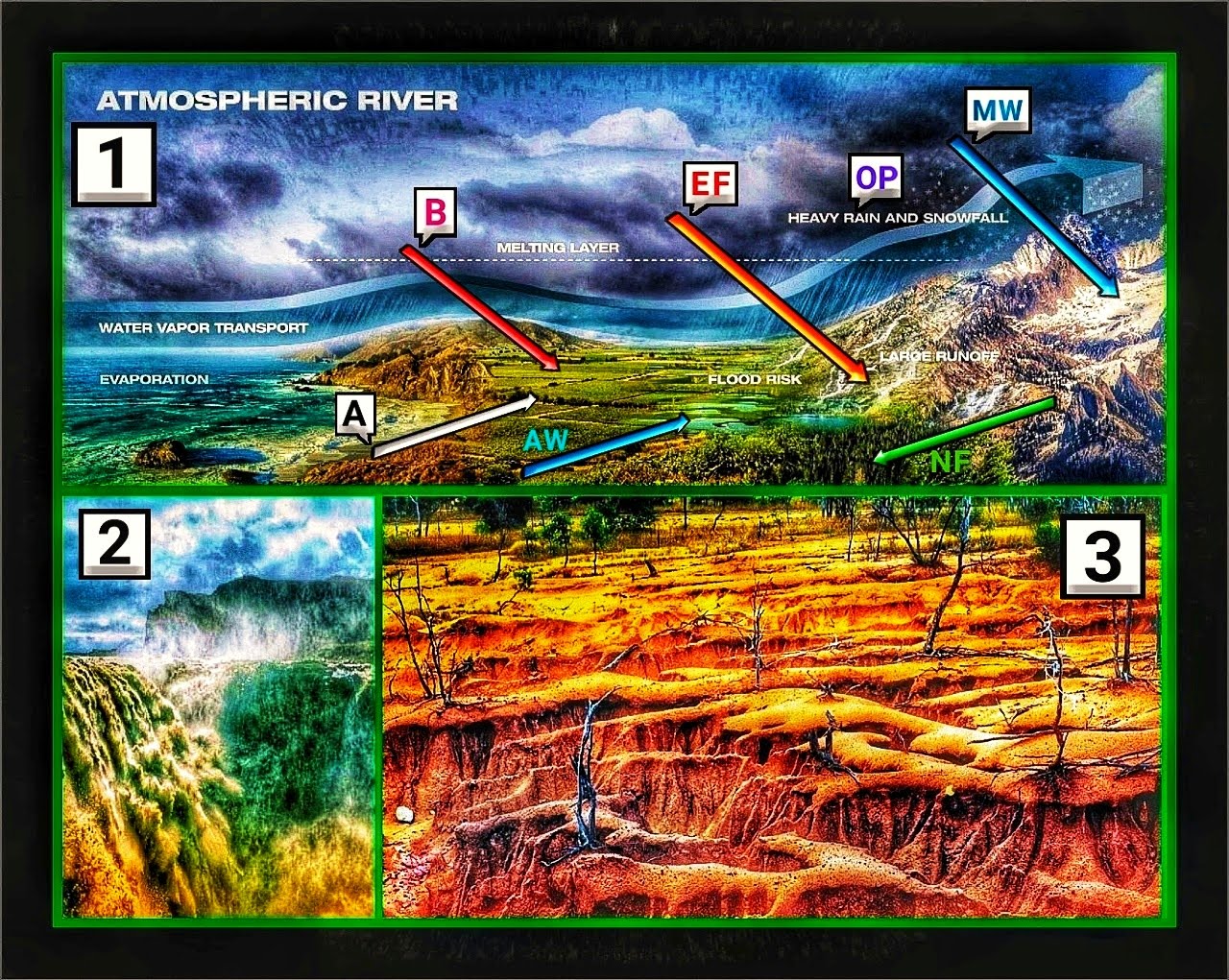
The Torrential Rains and Erosion

Image
The scientific and prehistoric phenomenon and background  The significant rainfall over the Ethiopian Highlands The Rising Clouds Convert Their Moisture Into Rain  The humid and warm air that regularly arrives during the rainy season from the Indian Ocean and then rises over the Ethiopian highlands is a meteorological phenomenon known as Orographic Precipitation  (OP) . This meteorological phenomenon is well known, and its explanation is that the rising clouds convert their moisture into rain as they pass over a high mountain mass. The landscape in this picture illustrates the circumstances that affect erosion and its relationship to groundwater levels. Alluvial Water  (AW)  can be crucial for replenishing natural groundwater reservoirs and salvaging nutrient-rich sediment. The loss of this fertile soil frequently occurs and increases without these wetlands, when, instead, this nutrient-rich sediment should be a welcome contribution to both farm...